Center for the Development of Professional Qualification of Medical Workers
Department of Spirituality and Enlightenment
Tashkent 28.03.2026
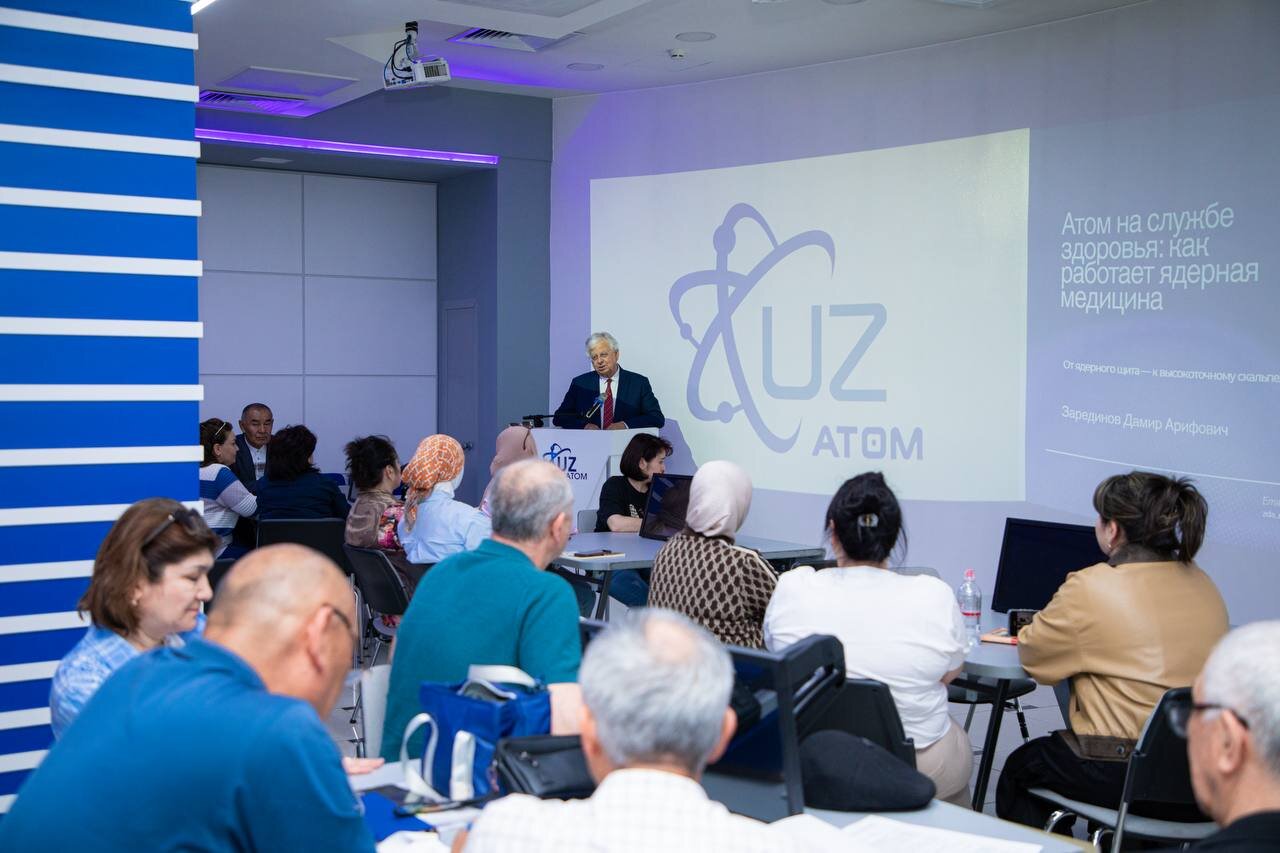
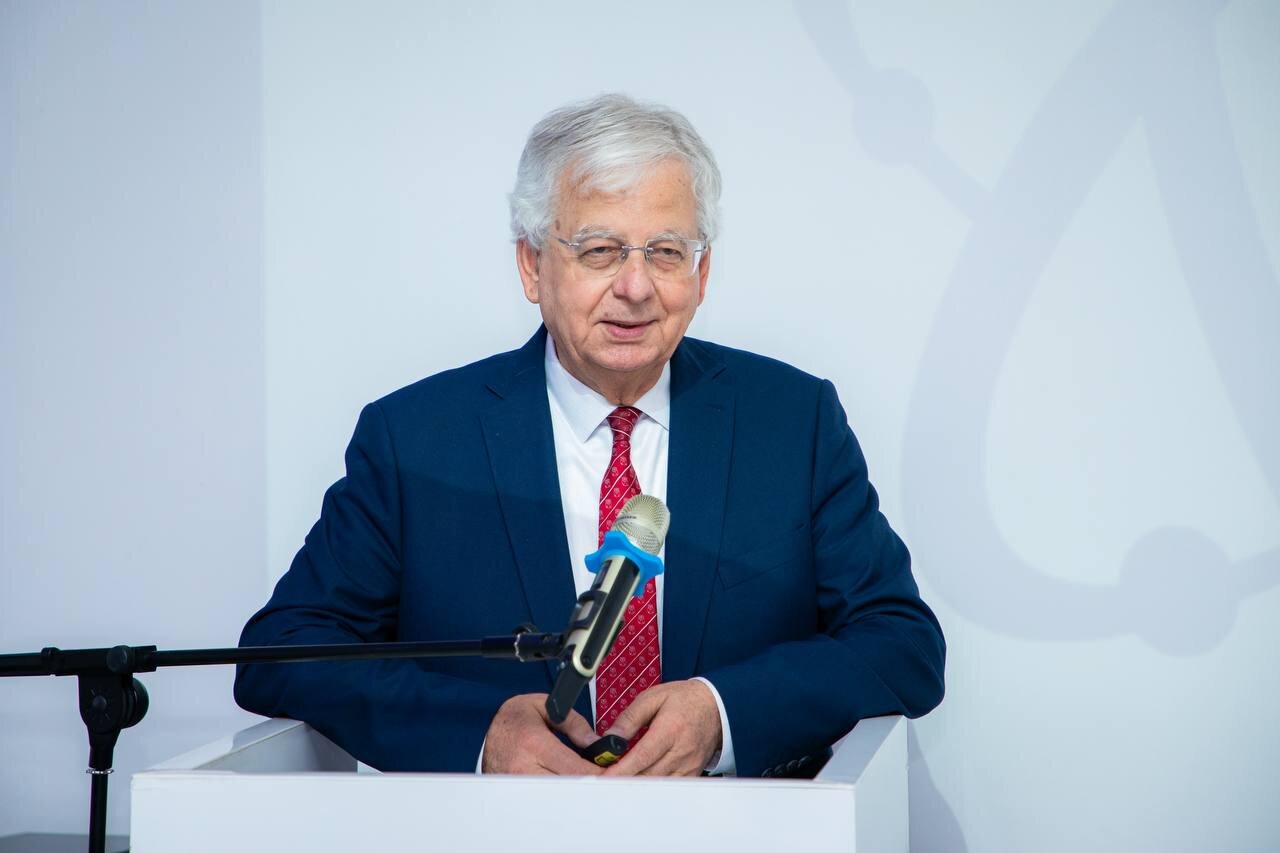
On March 28, 2026, a seminar dedicated to the prospects for the development of nuclear medicine in the Republic of Uzbekistan was held at the Information Center for Atomic Technologies, with the participation of specialists from relevant ministries and agencies. The keynote speech was delivered by the Chief Radiologist of the Ministry of Health of the Republic of Uzbekistan, Doctor of Medical Sciences, Professor Damir Arifovich Zaredinov.
In his speech, he подробно outlined the modern capabilities of nuclear medicine, including radionuclide diagnostics and treatment methods, positron emission tomography (PET/CT), the use of radiopharmaceuticals, as well as the application of high-tech equipment such as cyclotron, Gamma Knife, and CyberKnife. Special attention was paid to the early diagnosis and effective treatment of oncological and other socially significant diseases.
The speaker also emphasized that, thanks to the active support of the President of the Republic of Uzbekistan, Shavkat Mirziyoyev, favorable conditions are being created in the country for the introduction of advanced nuclear technologies into the healthcare system. Among the key initiatives is the launch of a project to establish a modern Nuclear Medicine Center in Tashkent in cooperation with Russian partners. In 2026, the center is planned to be equipped with advanced technologies, including PET/CT, a cyclotron, a radiopharmacology laboratory, as well as Gamma Knife and CyberKnife systems. This will significantly expand access to precise diagnostics and innovative treatment for the population.
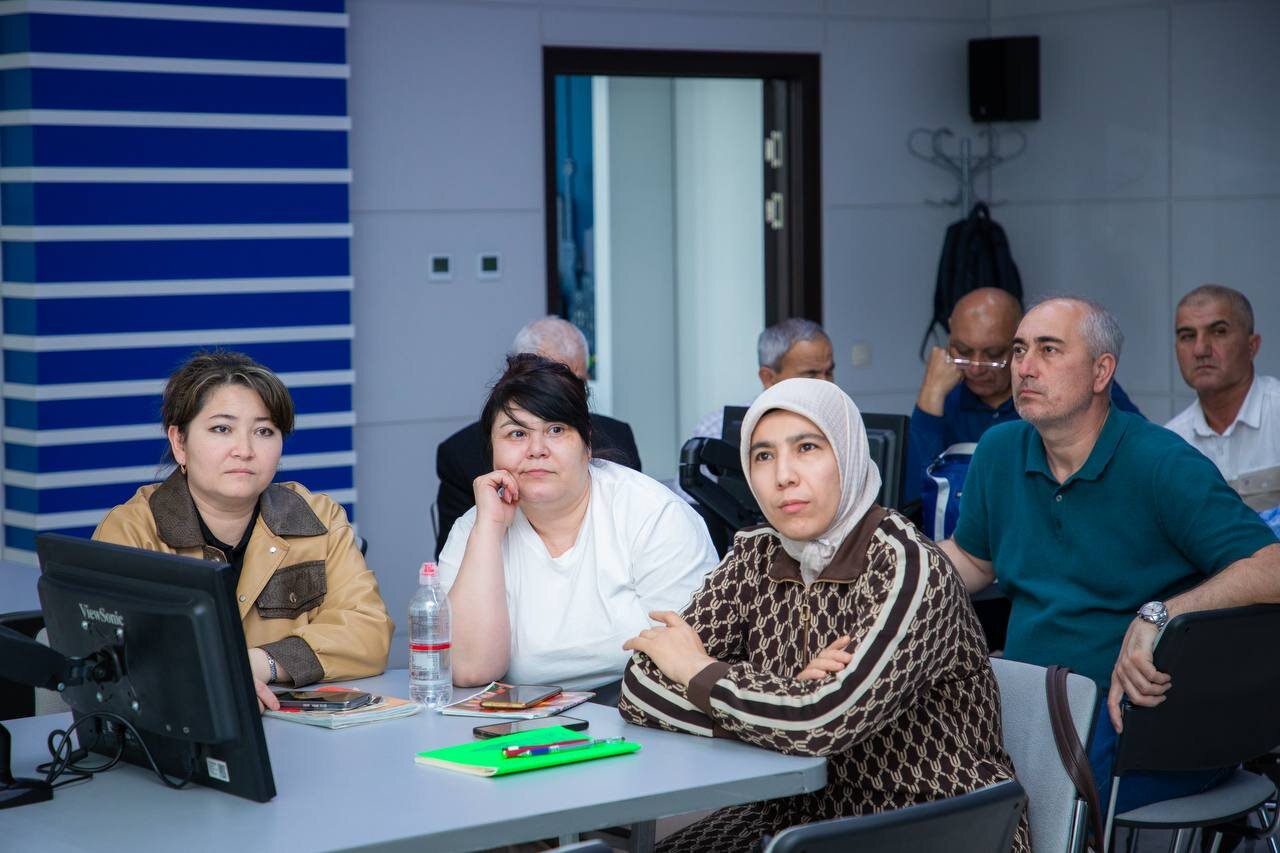
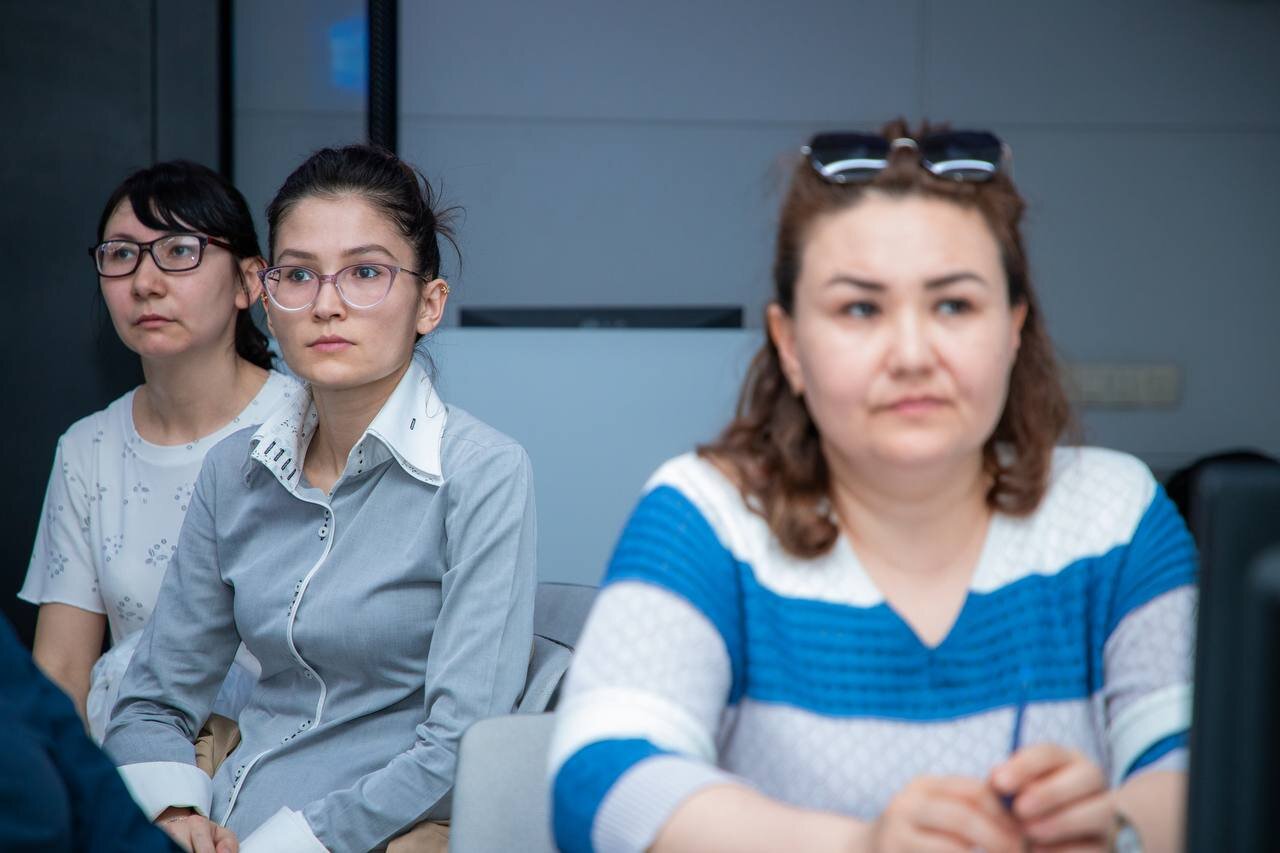
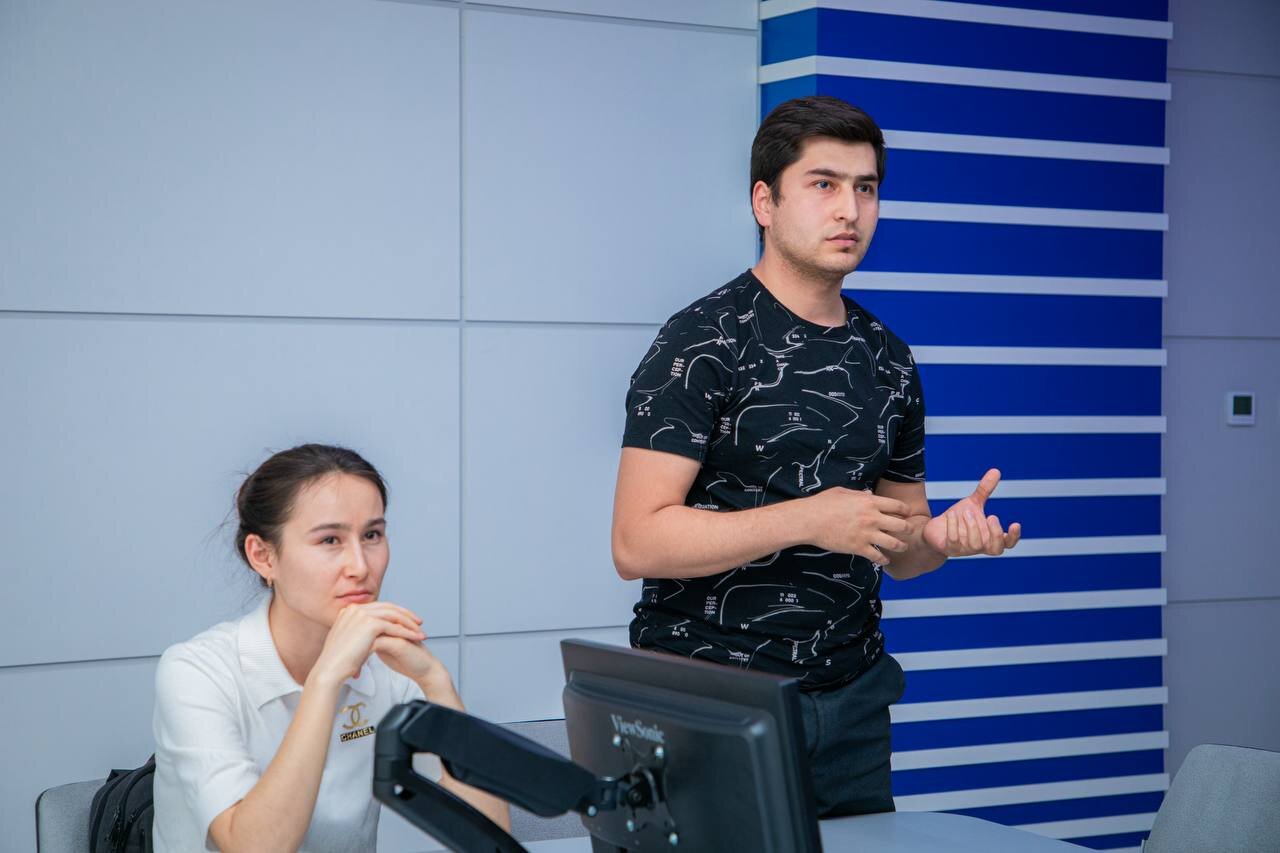
Following the presentation, an active discussion took place, during which scientists, developers of radiation technologies, and representatives of industry and healthcare exchanged views on the further development of nuclear medicine in Uzbekistan, asked questions, and put forward proposals. Participants highlighted the importance of personnel training, ensuring radiation safety, and strengthening international cooperation, including with the IAEA and leading foreign centers, for the rapid integration of nuclear technologies into practical healthcare.
The seminar was held in a constructive and professional atmosphere, contributing to effective experience exchange and the development of practical recommendations for the accelerated implementation of nuclear technologies in the healthcare system for the benefit of public health.