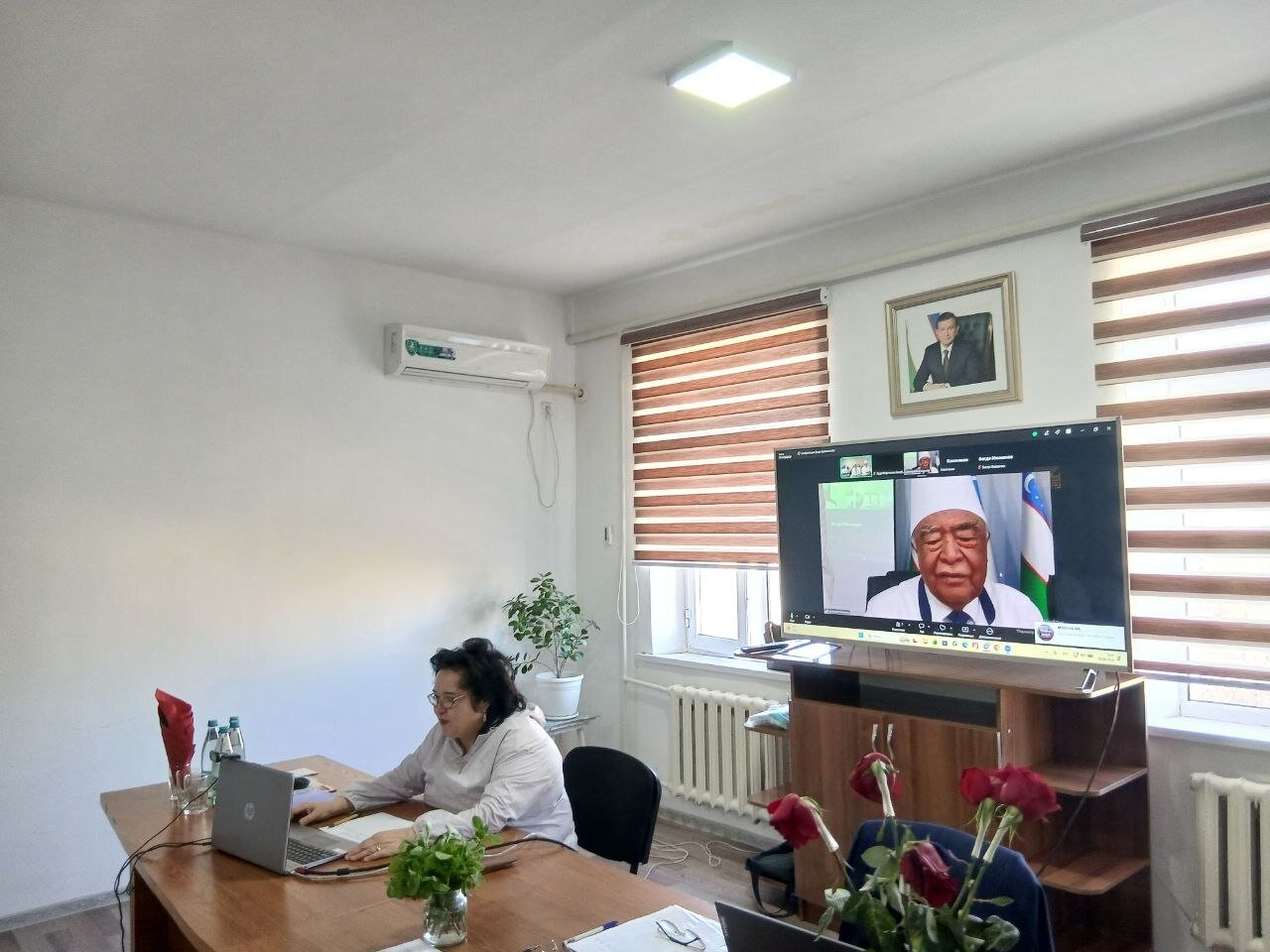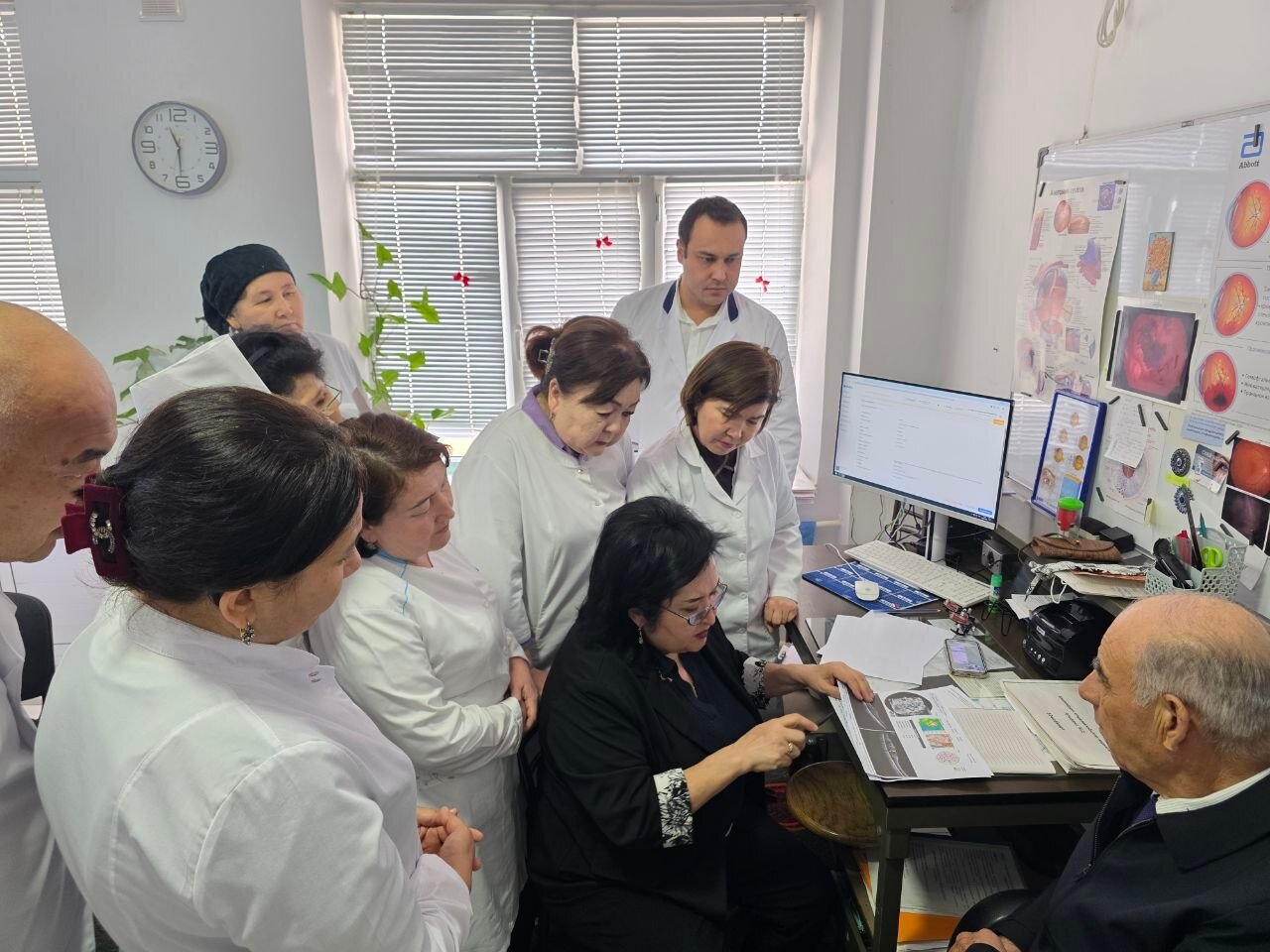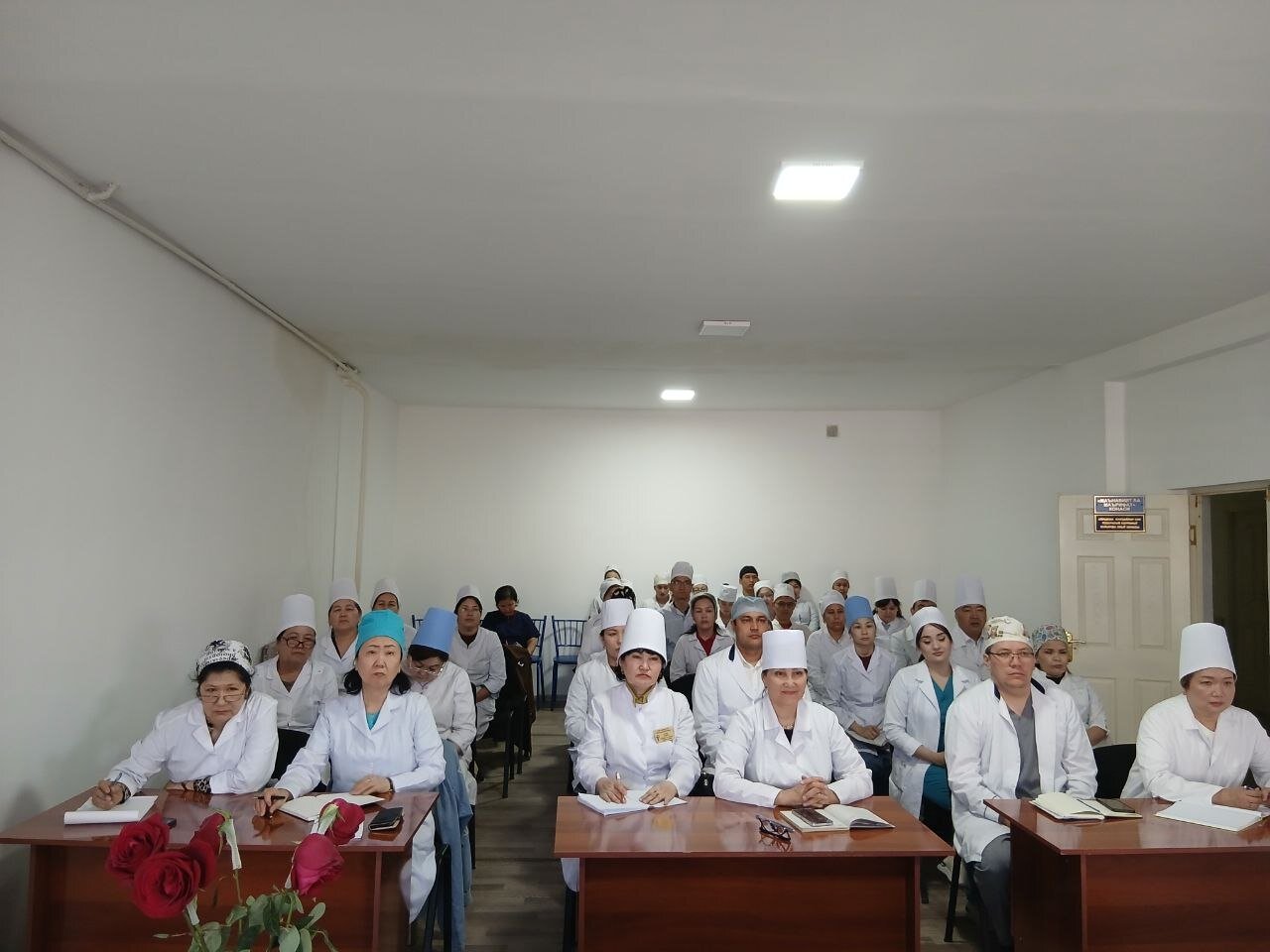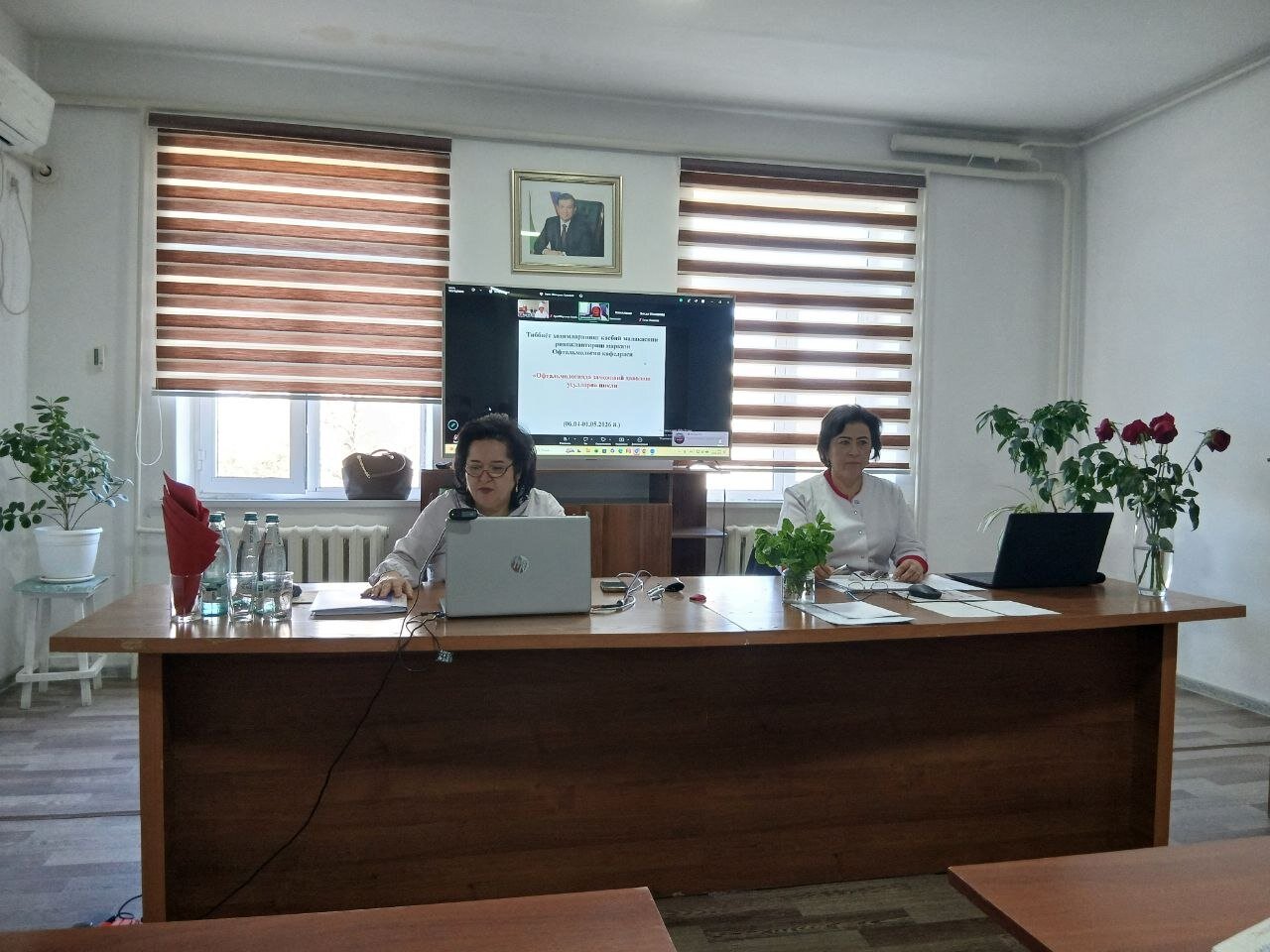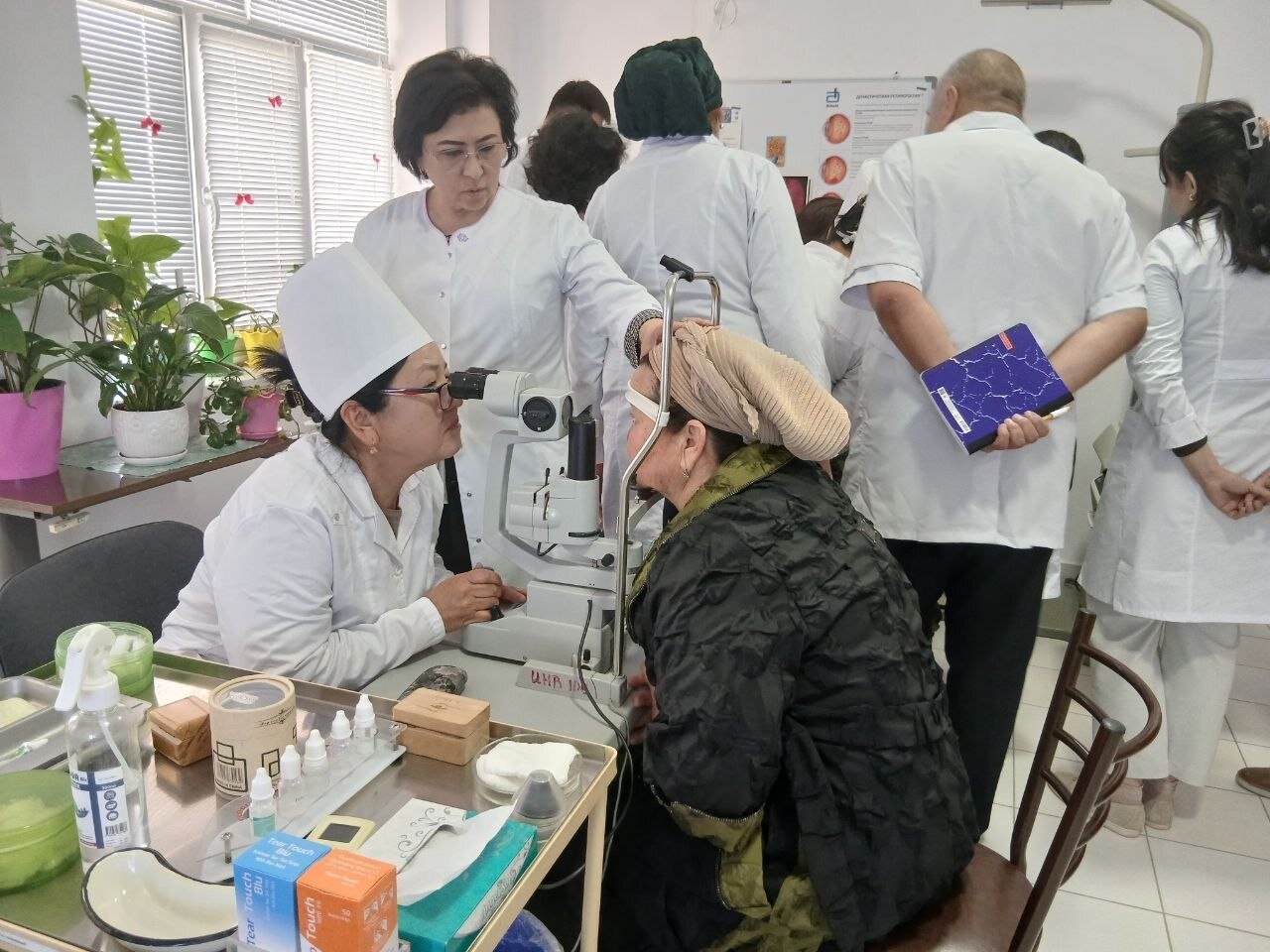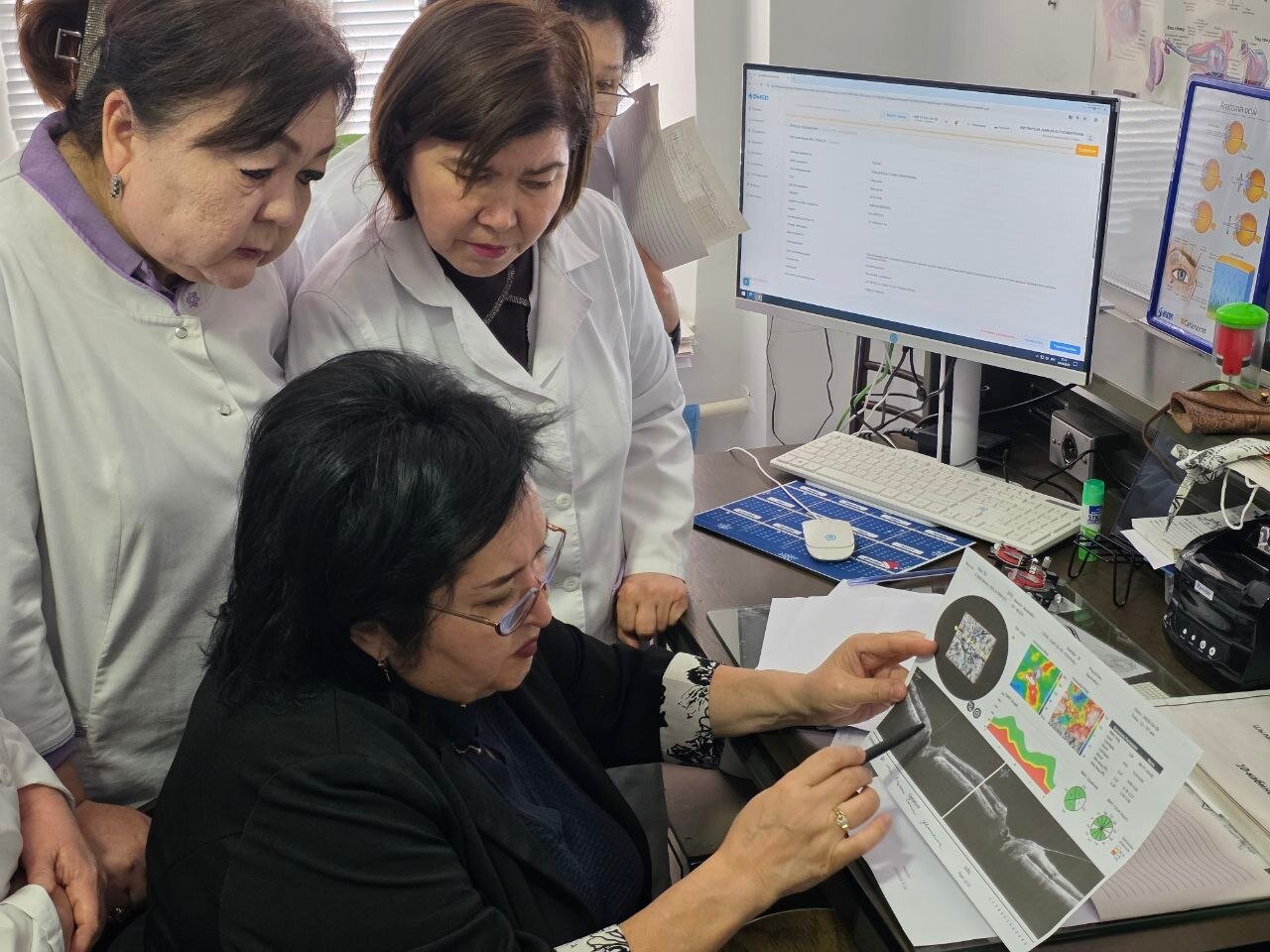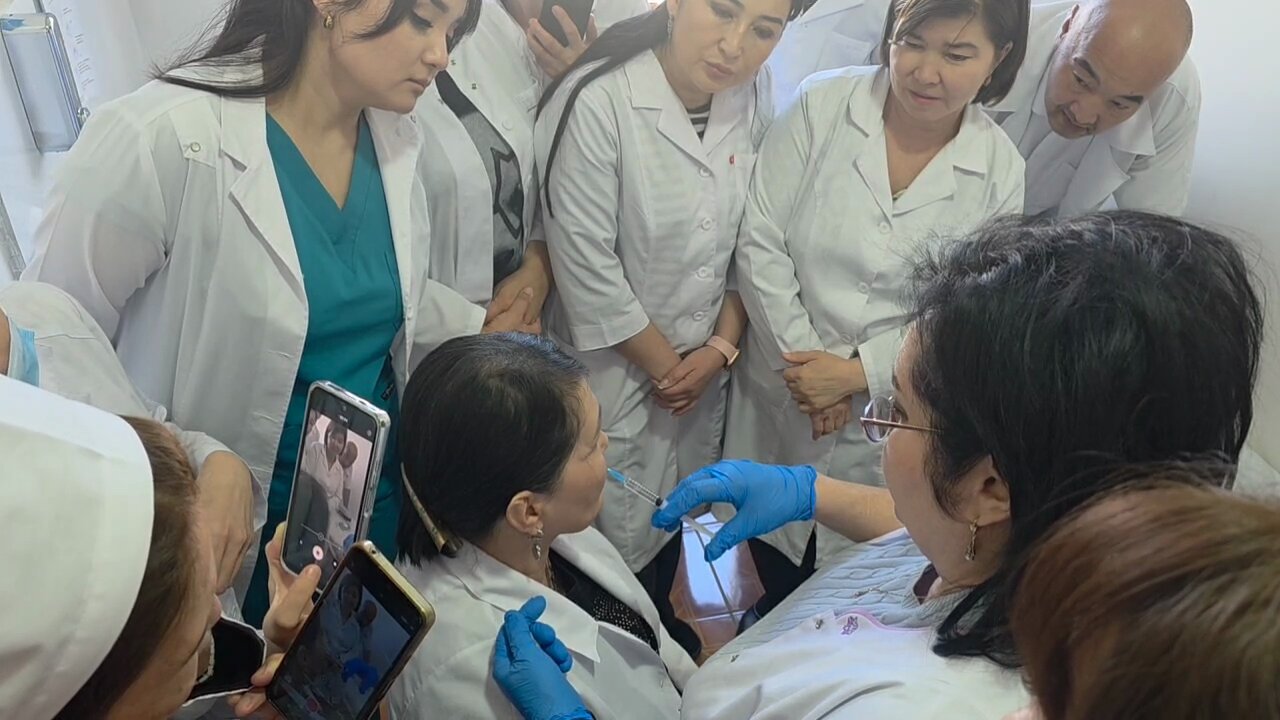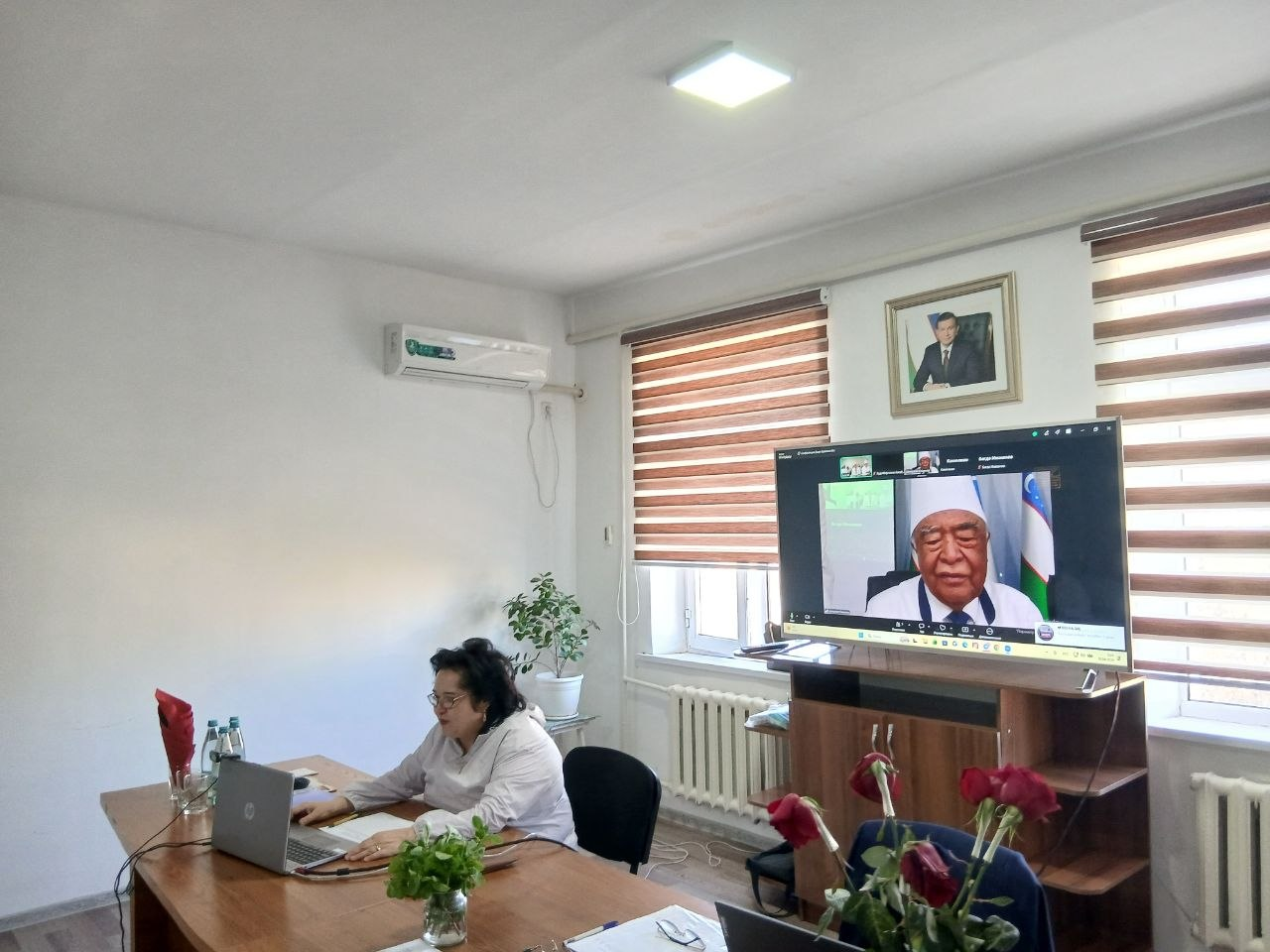
In the healthcare system of the Republic of Uzbekistan, special attention is paid to improving the professional qualifications of medical workers, their training and retraining based on international standards. To this end, the Department of Ophthalmology of the Center for Advanced Training of Medical Workers under the Ministry of Health of the Republic of Uzbekistan is implementing an important practical initiative in the Republic of Karakalpakstan from April 6 to May 2 of the current year. Specifically, a mobile advanced training cycle of 144 hours on the topic "Modern Methods of Treatment in Ophthalmology" has been organized for ophthalmologists working in the region at the branch of the Republican Specialized Scientific and Practical Medical Center for Eye Microsurgery in the Republic of Karakalpakstan. This educational program is aimed at introducing advanced diagnostic and treatment methods in ophthalmology into practice, as well as further strengthening the theoretical knowledge and practical skills of doctors. As part of the classes, participants are provided with extensive information on modern clinical protocols, innovative surgical technologies, as well as methods for early detection and effective treatment of eye diseases. The advanced training cycle is conducted by highly qualified specialists, including the Head of the Department, Professor, Hero of Uzbekistan, Khalidjon Mahamadjanovich Kamilov, as well as experienced teaching staff of the department, who conduct lectures, practical sessions, and interactive trainings. In addition, as part of the educational process, master classes, analysis of clinical cases, examinations of complex patients based on consultations, and issuance of individual recommendations are organized for the listeners. This creates opportunities for participants to consolidate their knowledge in practice and directly apply modern approaches in clinical conditions. This mobile advanced training cycle is of great importance for further improving the quality of ophthalmological care in regional medical institutions, increasing the effectiveness of medical care for the population, as well as ensuring the prevention and early diagnosis of eye diseases.