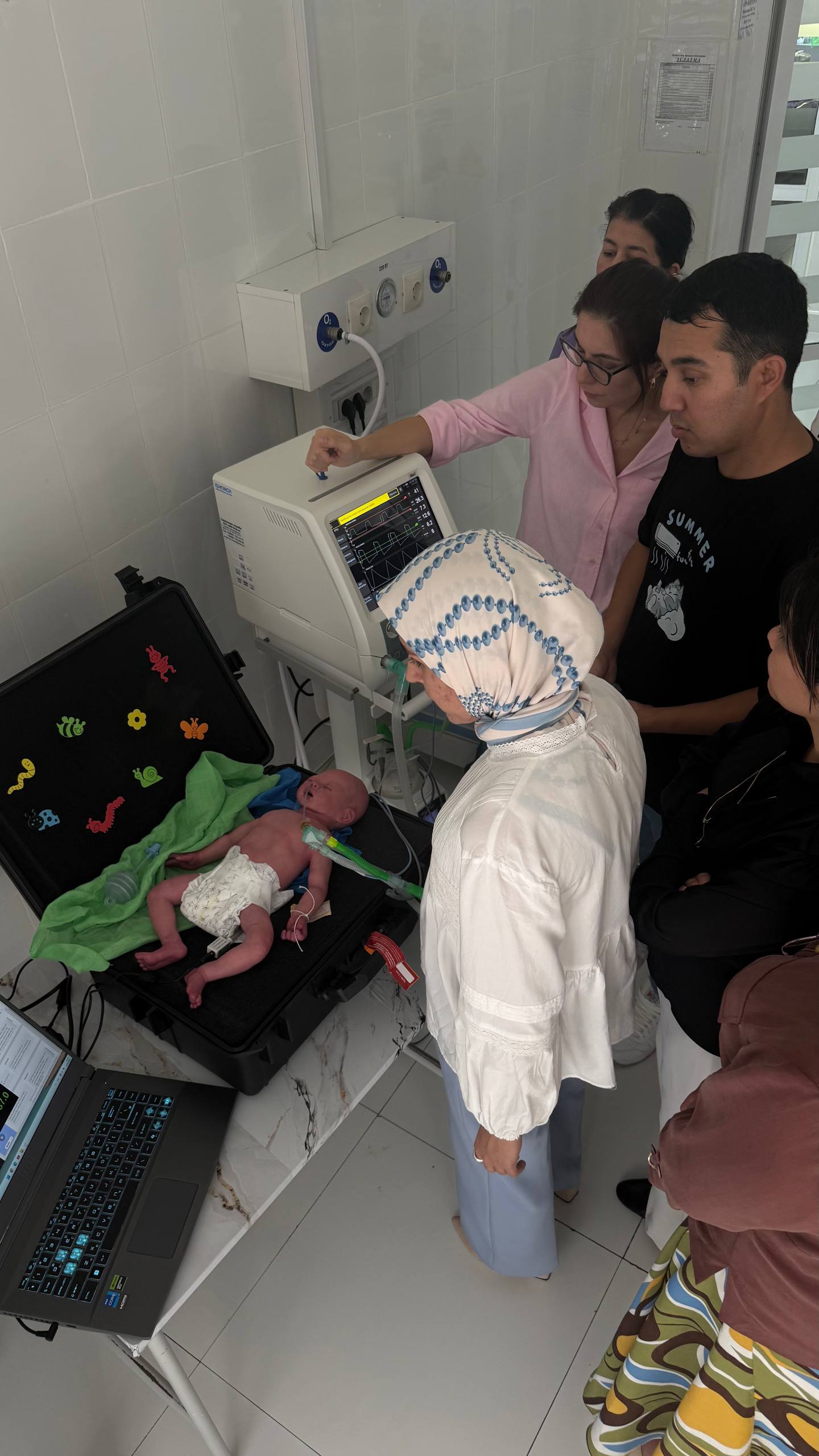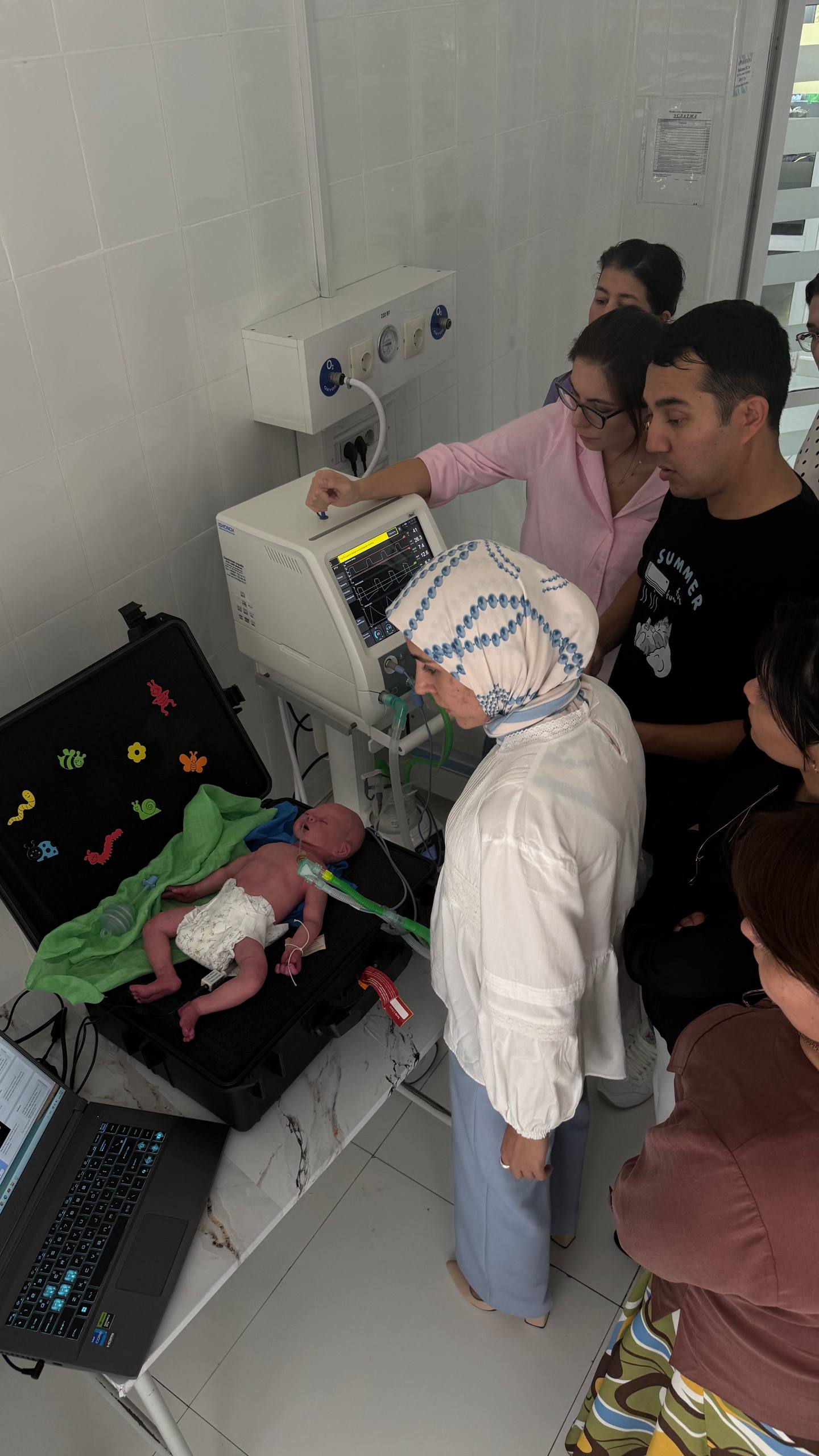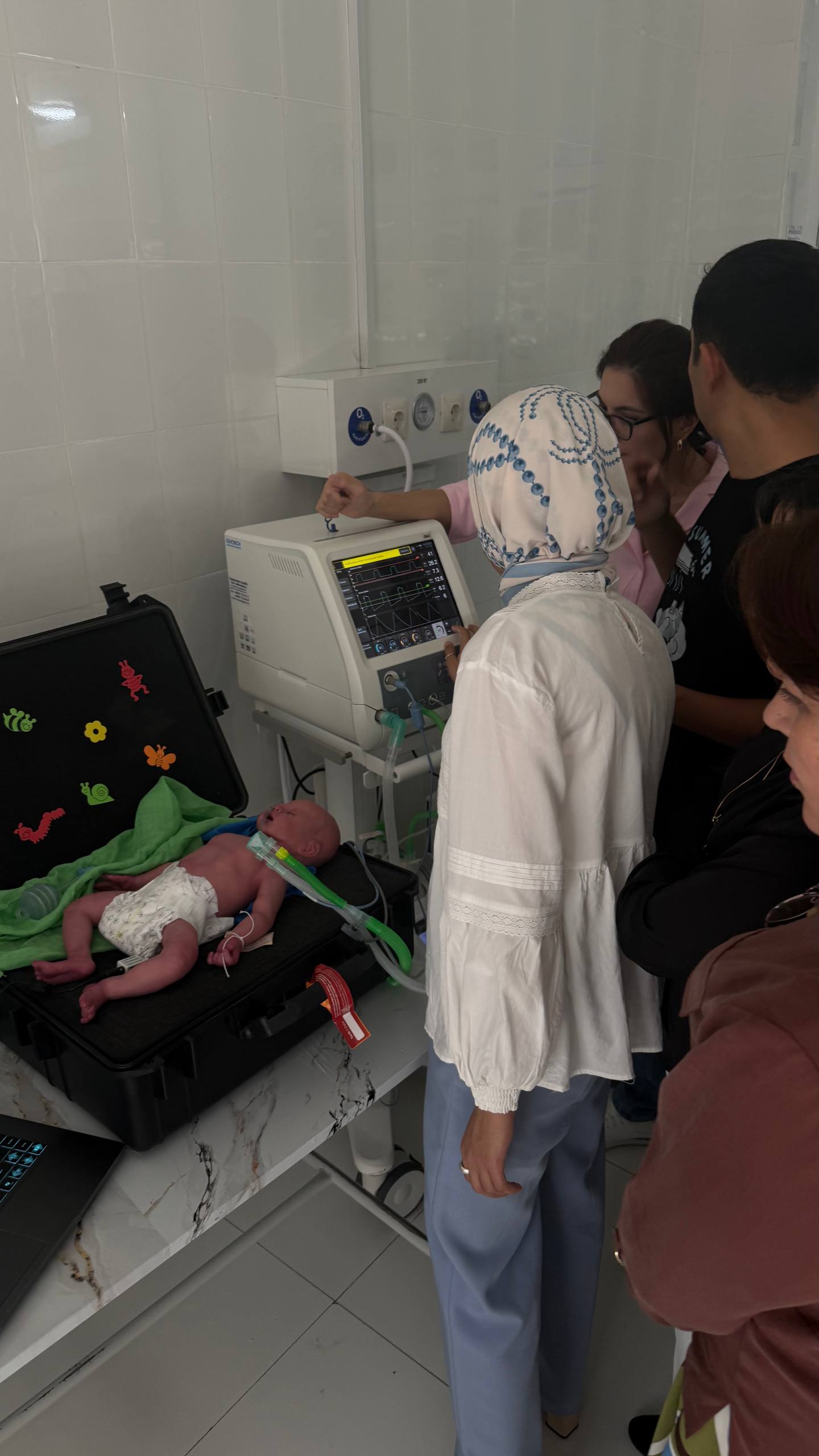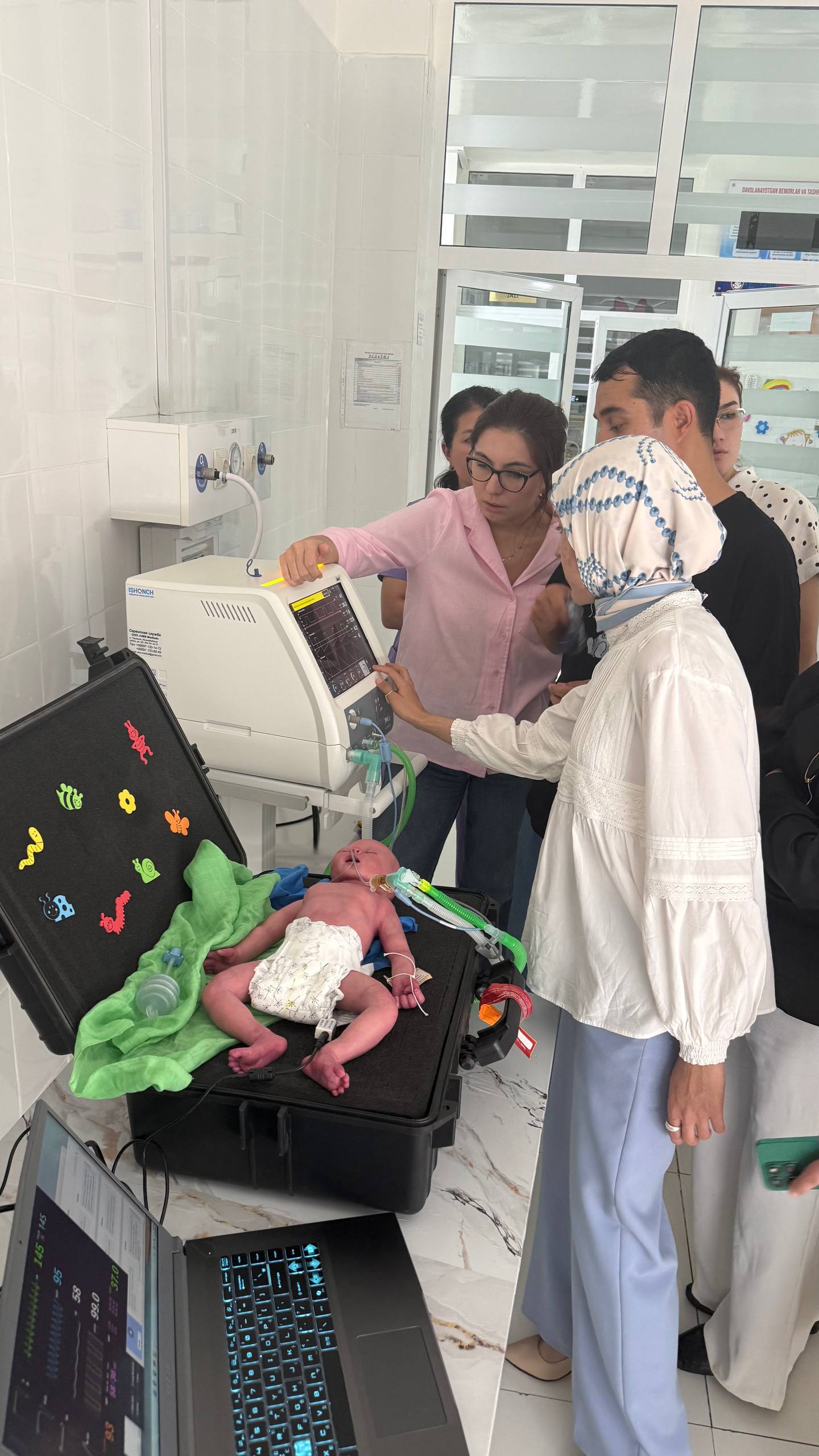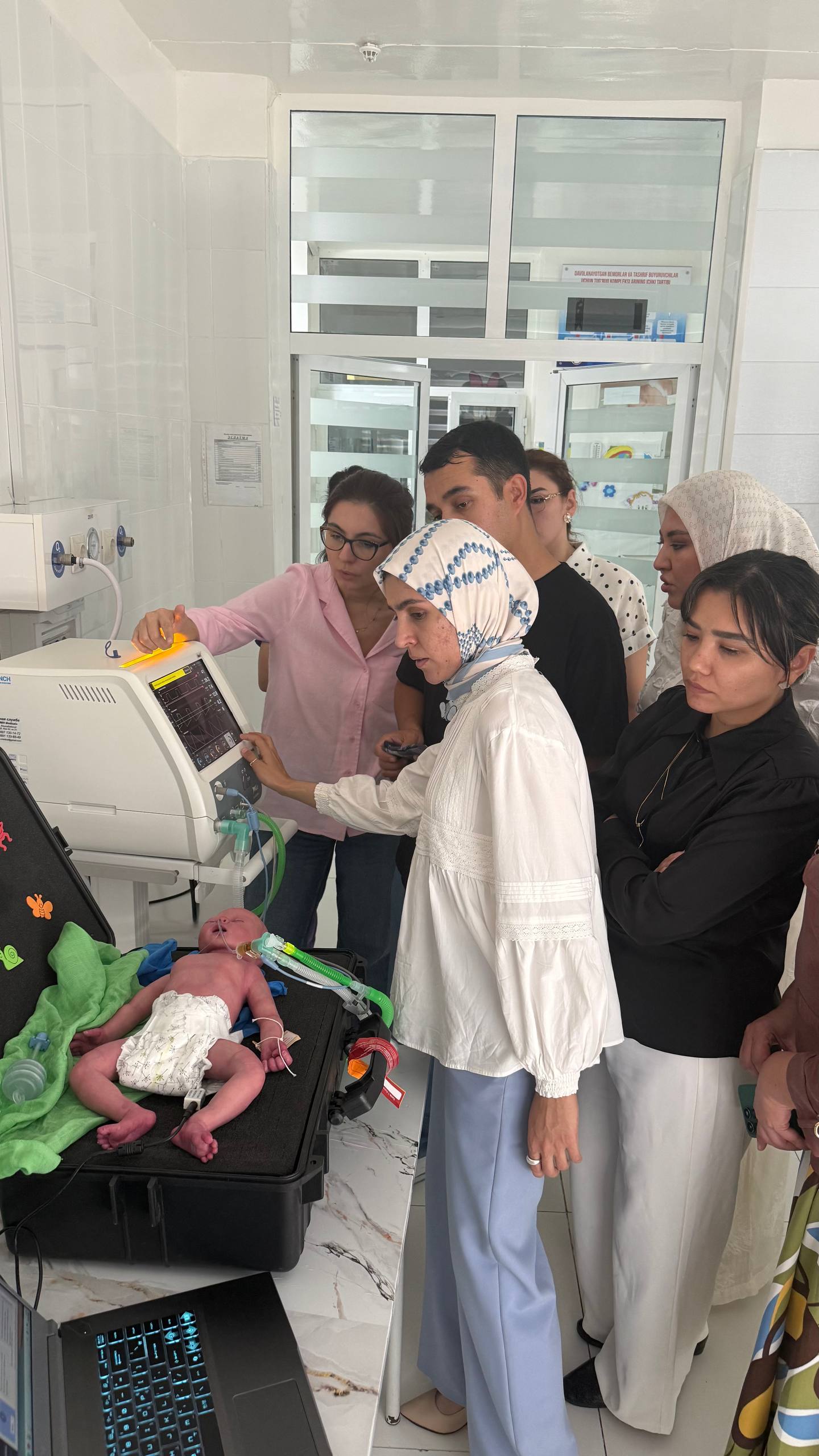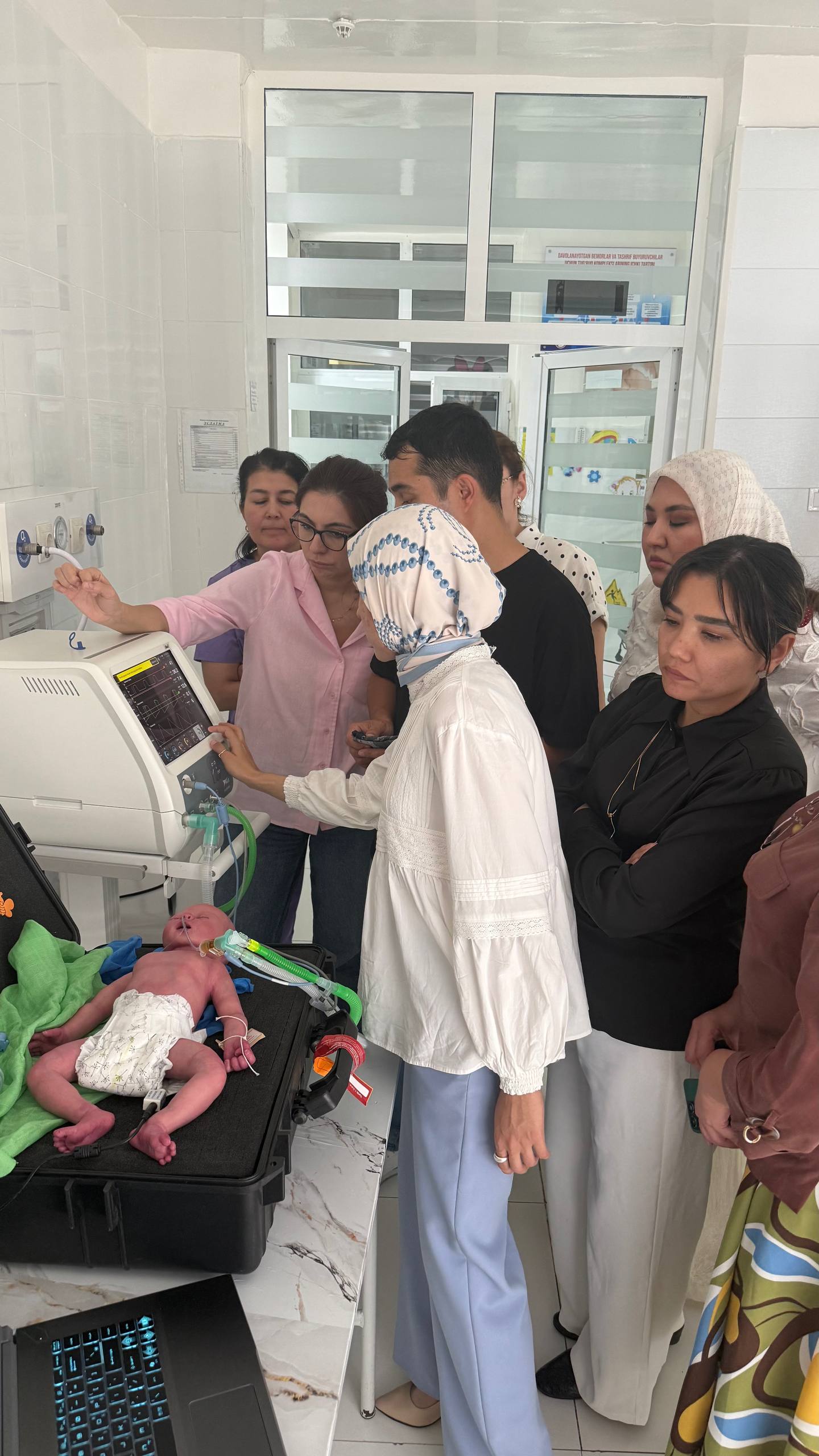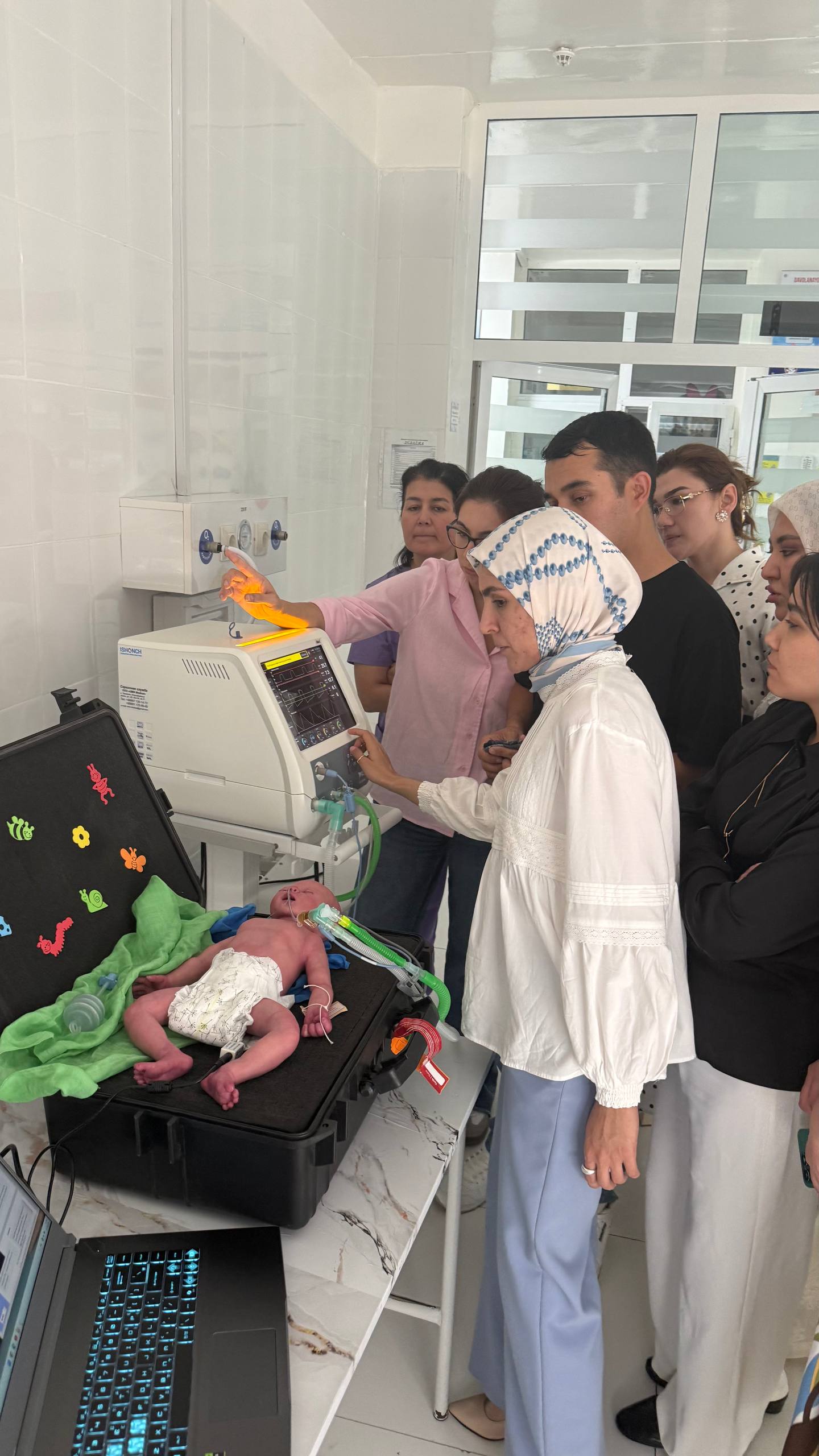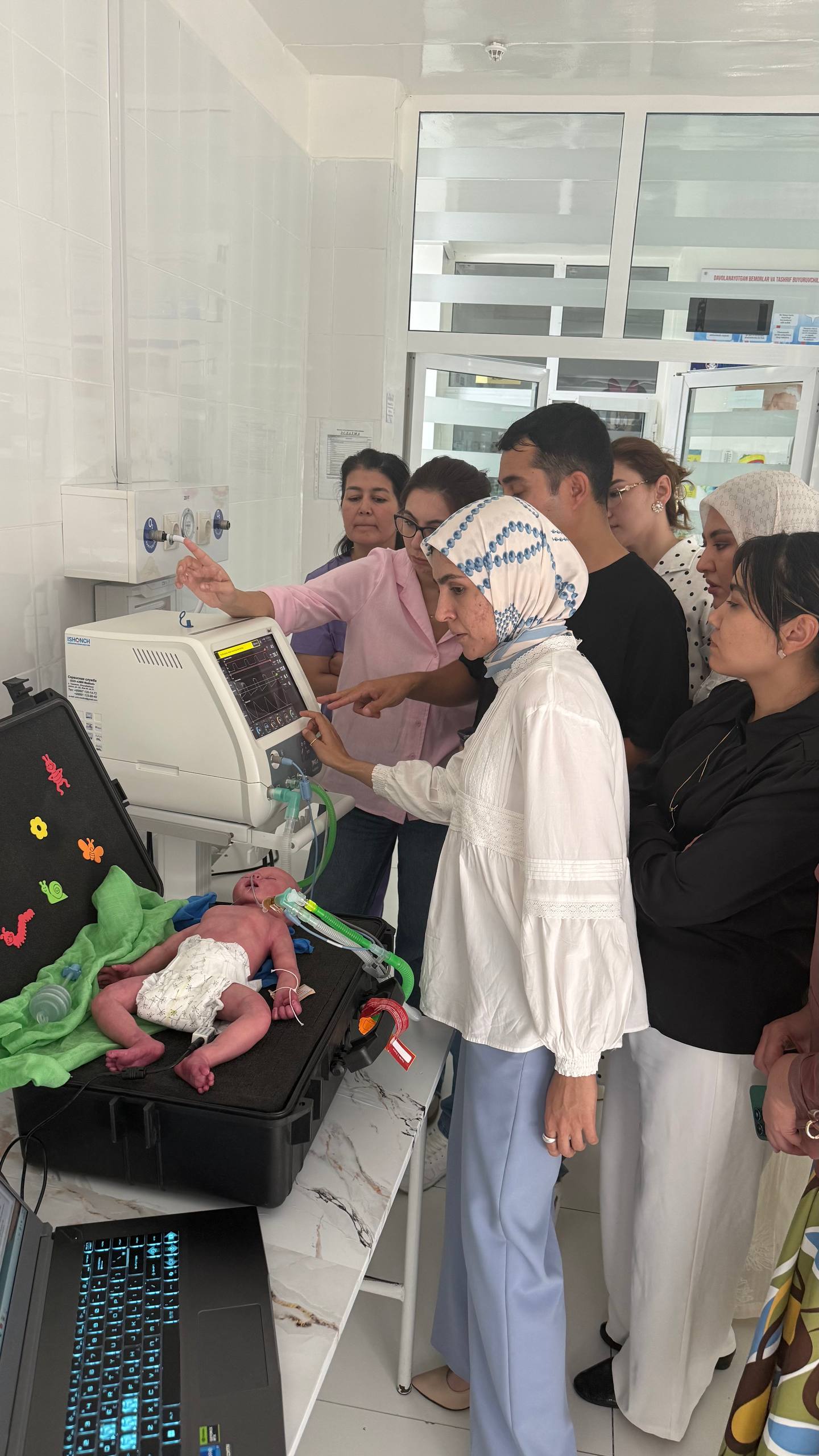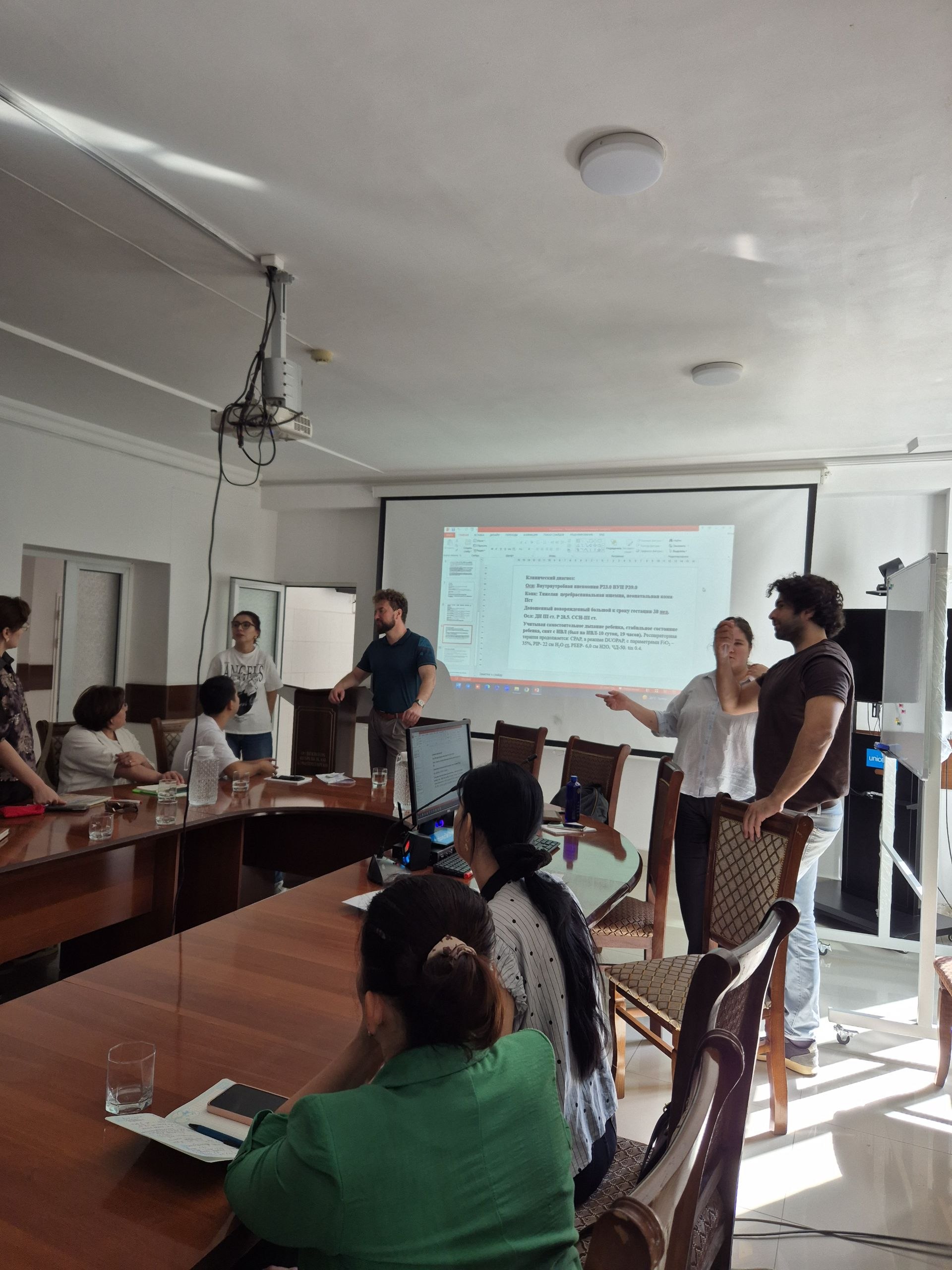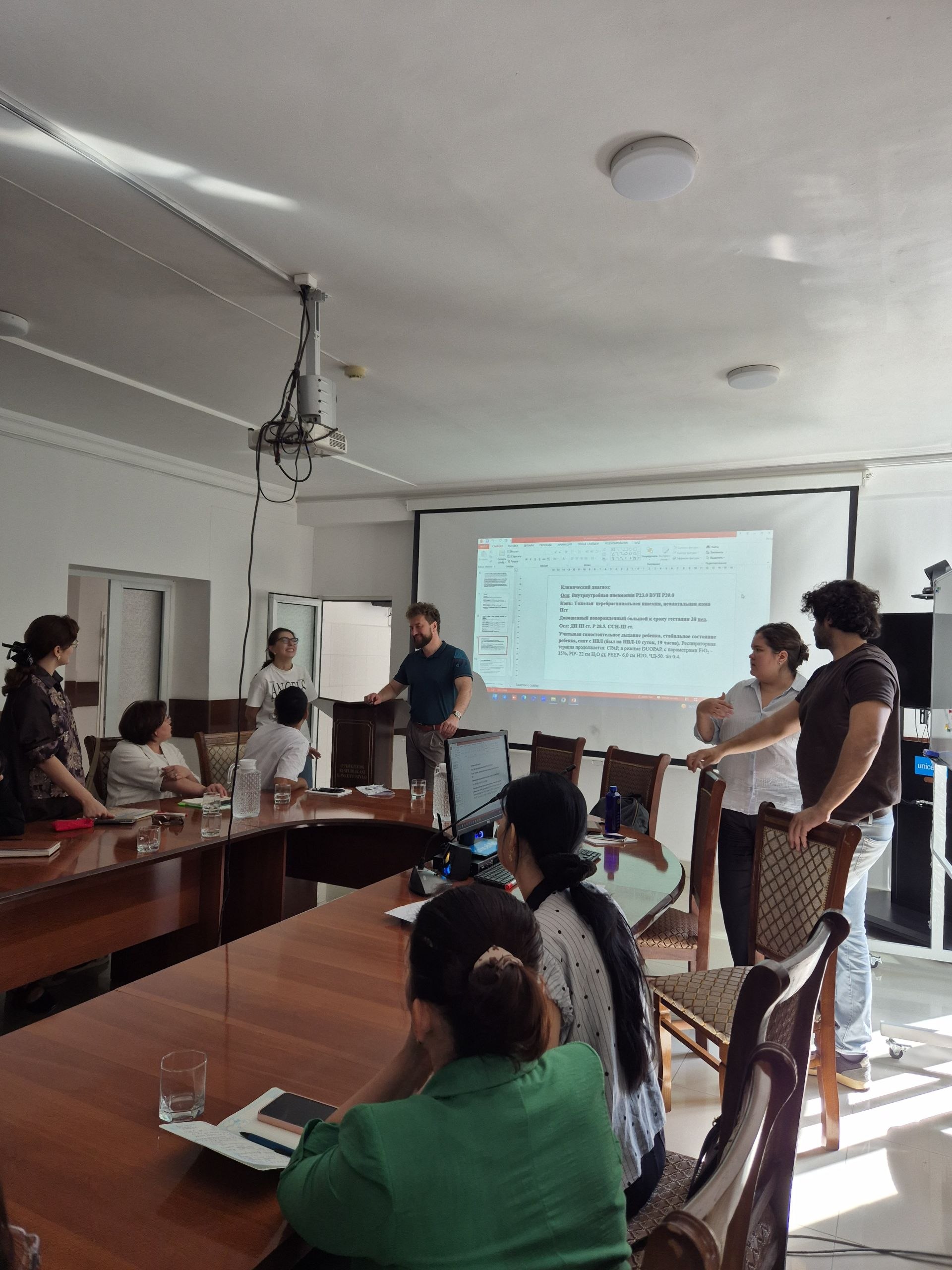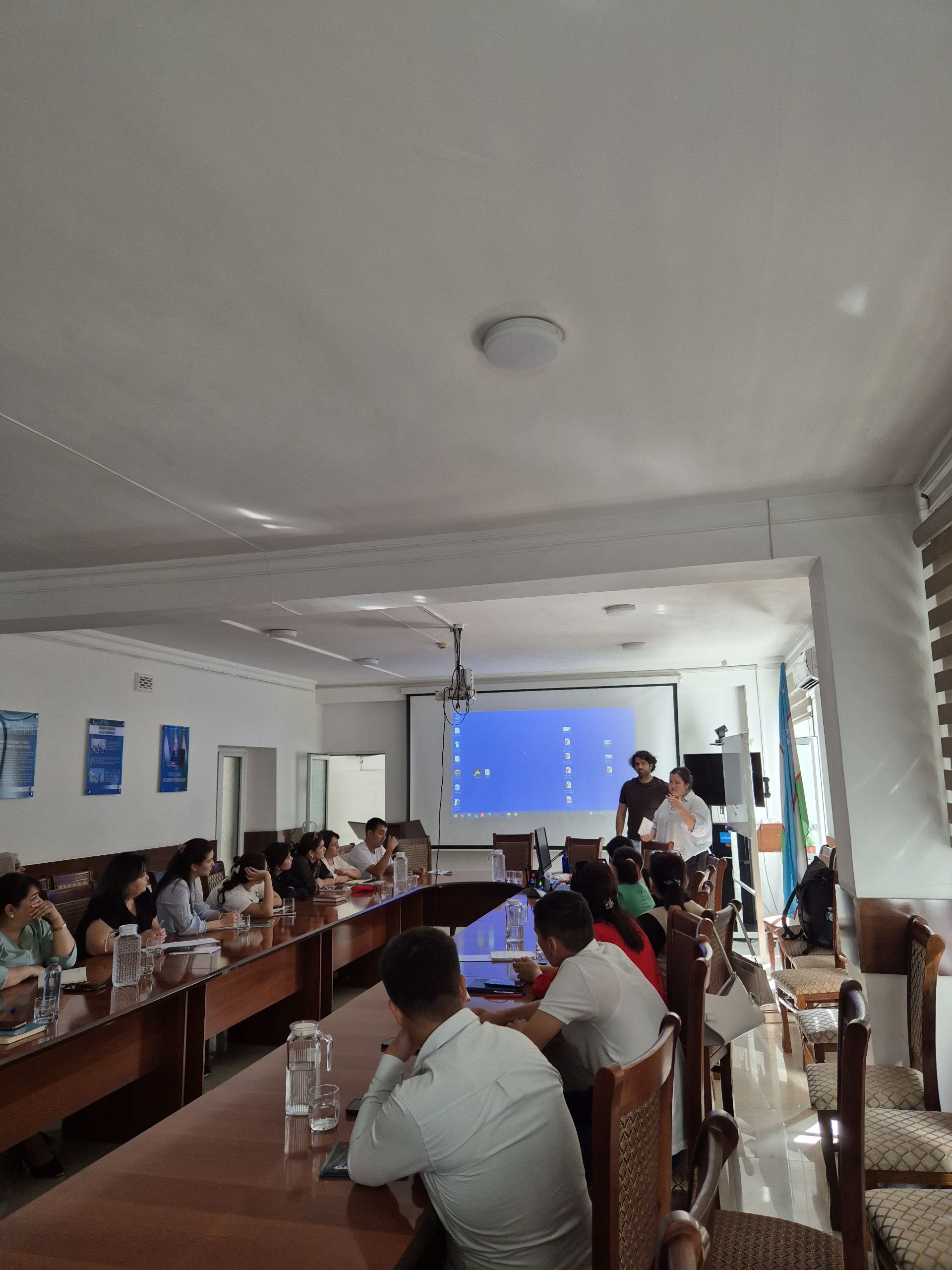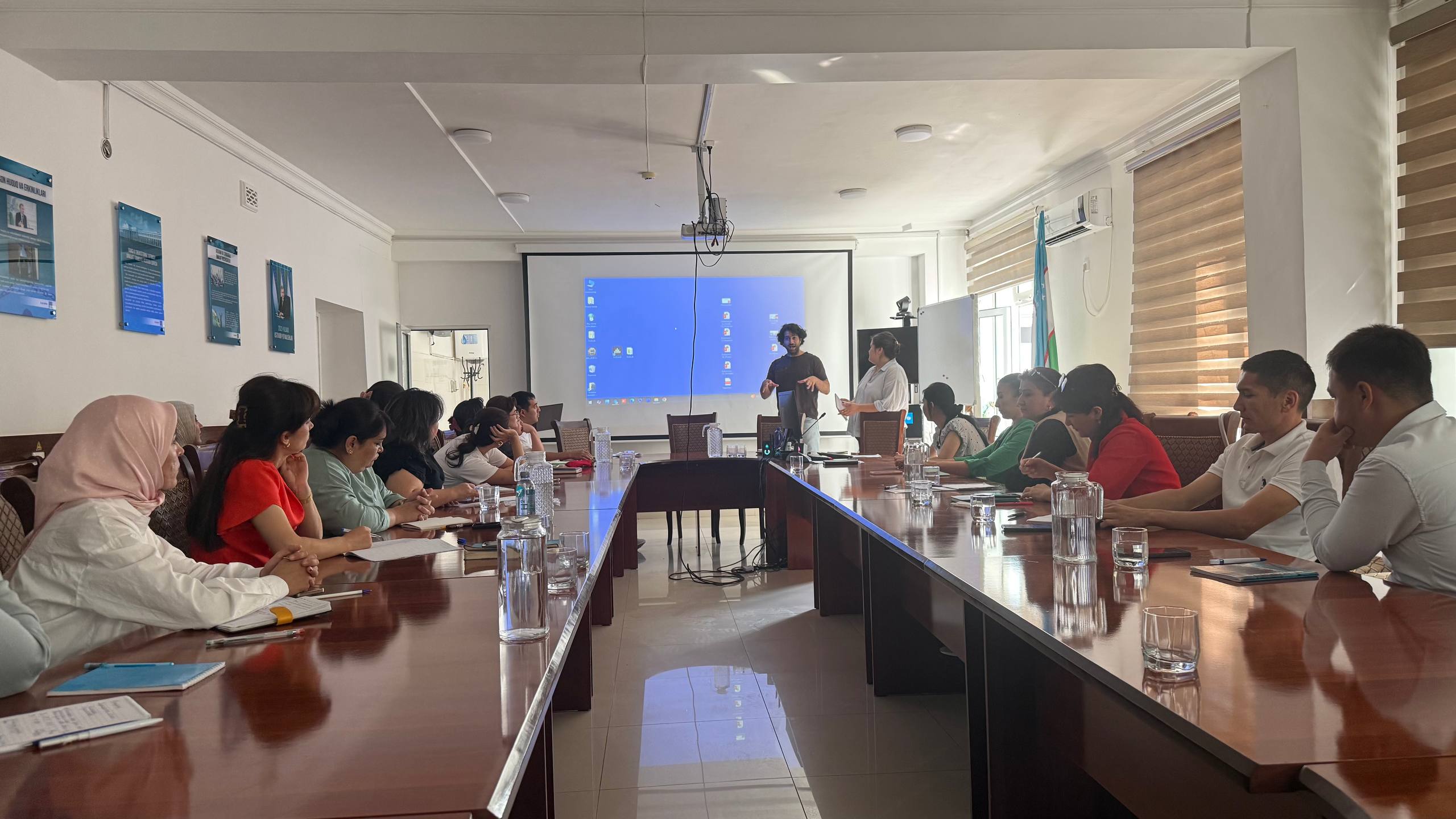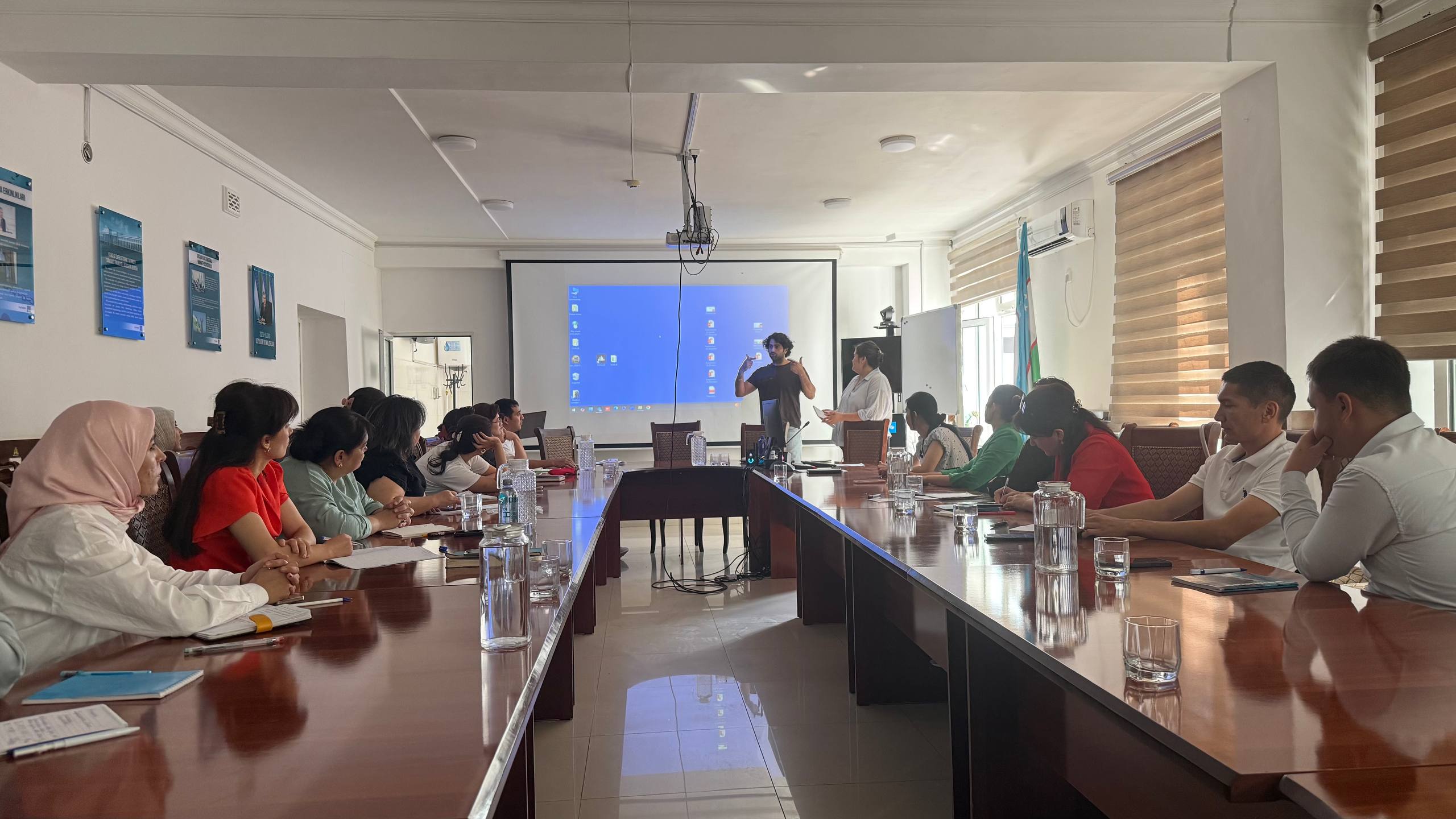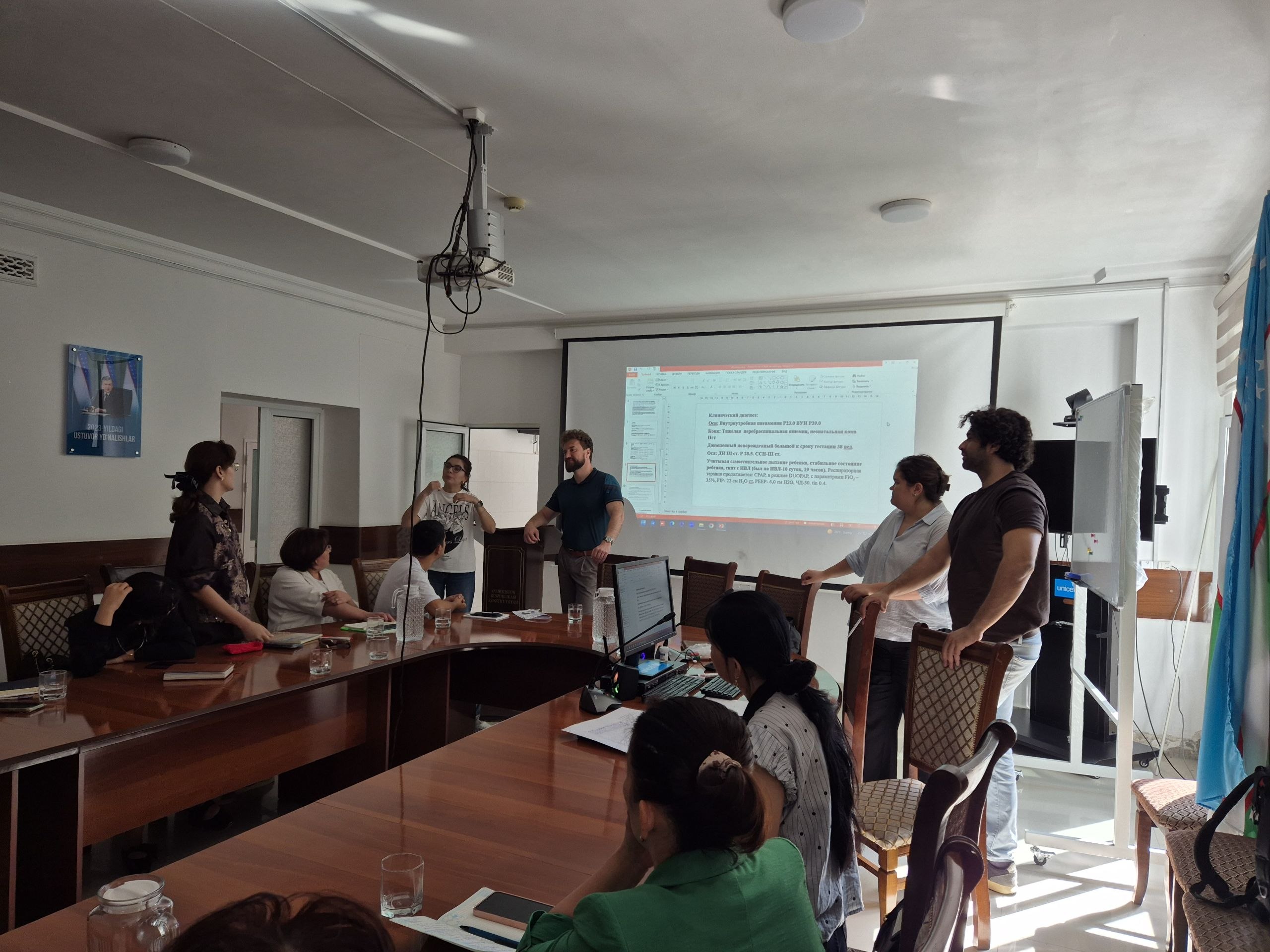
On 14–15 September 2026, the second stage of a training programme for young neonatal care physicians on “Advanced Respiratory Support for Newborns” is being held in the Samarkand Region.
The training is being conducted in accordance with the operational plan of the “Support to the Implementation of the Health Strategy in Uzbekistan” project, approved by the Ministry of Health of the Republic of Uzbekistan, with the support of the Representative Office of the German Society for International Cooperation (GIZ) in Uzbekistan.
The training is taking place at the Samarkand Regional Branch of the Republican Specialized Scientific and Practical Medical Center for Maternal and Child Health. The training is delivered by specialists from the Department of Neonatology of the Center for the Development of Professional Qualifications of Medical Workers — A.L. Batmanov and D.S. Saidumarova, as well as Pulad Tavakolipour, Senior Physician of the Pediatric Department at St. Joseph Hospital in Berlin.
From Basic Skills to Independent Clinical Decision-Making
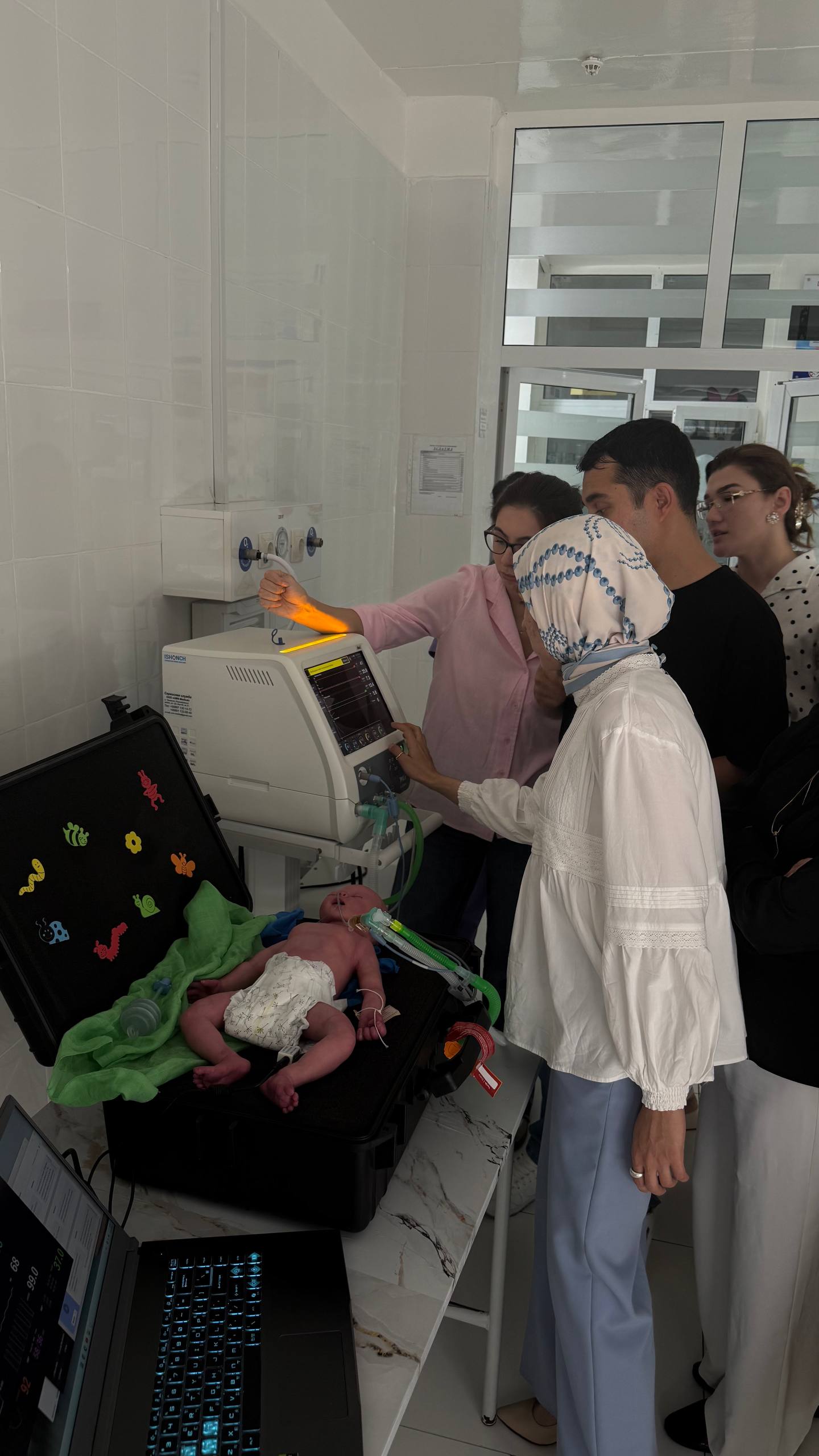
This stage of the training programme builds on the practical training initiated in April this year. During the first stage, participants studied the applied physiology of respiration, modern methods of non-invasive respiratory support, conventional mechanical ventilation, and the principles of managing newborns with uncomplicated respiratory distress syndrome.
Following completion of the first stage, the physicians returned to their respective healthcare facilities and spent several months applying the knowledge and skills they had acquired in the clinical management of newborns.
The September stage is aimed at further strengthening professional competencies and increasing the level of independence of specialists in managing the most complex neonatal cases.
The course places particular emphasis on the physician’s ability to rapidly assess the newborn’s condition, interpret respiratory support parameters, select the optimal treatment strategy, and promptly adjust it in response to clinical deterioration.
At the same time, the programme does not duplicate the content of the first stage, but focuses on developing advanced clinical reasoning and decision-making in complex situations.
Practical Focus of the Training
The key clinical areas covered during the second stage include severe hypoxemic respiratory failure and pulmonary hypertension, pulmonary hypoplasia, the development and management of bronchopulmonary dysplasia, air-leak syndromes, as well as acute decompensation in newborns receiving mechanical ventilation.
Timely diagnosis of complications and the appropriate selection of a respiratory support strategy are critical in many cases for determining clinical outcomes, saving lives, and preventing severe long-term consequences for the child’s health.
The practical focus of the course allows the training to closely reflect the real-world working conditions of neonatal care specialists and to develop the skills required to provide care to newborns in critical conditions.
Strengthening the Capacity of Regional Neonatal Services
One of the key objectives of the programme is to train young specialists who will be able to apply modern diagnostic and treatment approaches in regional healthcare facilities and share the knowledge and practical experience they have gained with their colleagues.
Continuing the training of an already established group of specialists makes it possible to focus the educational process on advanced clinical approaches and the development of professional competencies, without spending valuable training time revisiting basic material.
In the long term, this creates the conditions for establishing a regional group of reference physicians capable of providing methodological and practical support to colleagues in the management of the most complex neonatal cases.
The professional development of specialists and the introduction of modern approaches to respiratory support for newborns are important components of the continued improvement of maternal and child healthcare in Uzbekistan.
The implementation of such educational programmes contributes to strengthening the human resource capacity of neonatal services, improving the quality of specialized medical care and, ultimately, reducing infant mortality and the risk of severe disability among children.